Advisory Council
The Turn the Tide Advisory Council brings different perspectives to the table, but we’re united by a shared commitment to helping Maine kids reclaim real childhood—through phone-free schools, delayed smartphones and social media, and more free play in the real world. There’s no hierarchy and we are all volunteers, working early mornings, late nights—because we care deeply about this issue and our kids.
Our members are available speak at on the topic of kids and technology to community groups/ parents/ school administrators, etc by request. Please reach out to us to discuss: turnthetidecoalition@gmail.com.

Ellen Coughlin-Quinn, M.P.H.
Ellen lives in Scarborough with her husband and three children. She holds a Master of Public Health from Boston University and works in healthcare administration. In 2020, after hearing Jonathan Haidt on a podcast, she co-founded the Scarborough Alliance for Thoughtful Tech (formerly Scarborough Wait Until 8th). Since then, she’s spread Haidt’s message with the enthusiasm of a cult leader. She also co-founded Landline Kids, a national movement bringing back the landline to promote communication and independence for kids. She builds community through neighborhood connections and events. She believes in getting kids outside- even though her own kids sometimes refuse to leave the house, perfectly content with a good book or craft. When she can get her kids outside, they ski or hit the beach. For balance (and a hobby beyond texting friends about smartphone dangers or emailing the school board), she plays tennis. Poorly, but enthusiastically.
Chelsea H.B. DeLorme
Ellen lives in Scarborough with her husband and three children. She holds a Master of Public Health from Boston University and works in healthcare administration. In 2020, after hearing Jonathan Haidt on a podcast, she co-founded the Scarborough Alliance for Thoughtful Tech (formerly Scarborough Wait Until 8th). Since then, she’s spread Haidt’s message with the enthusiasm of a cult leader. She also co-founded Landline Kids, a national movement bringing back the landline to promote communication and independence for kids. She builds community through neighborhood connections and events. She believes in getting kids outside- even though her own kids sometimes refuse to leave the house, perfectly content with a good book or craft. When she can get her kids outside, they ski or hit the beach. For balance (and a hobby beyond texting friends about smartphone dangers or emailing the school board), she plays tennis. Poorly, but enthusiastically.
Matt Pines, Ph.D, M.Ed
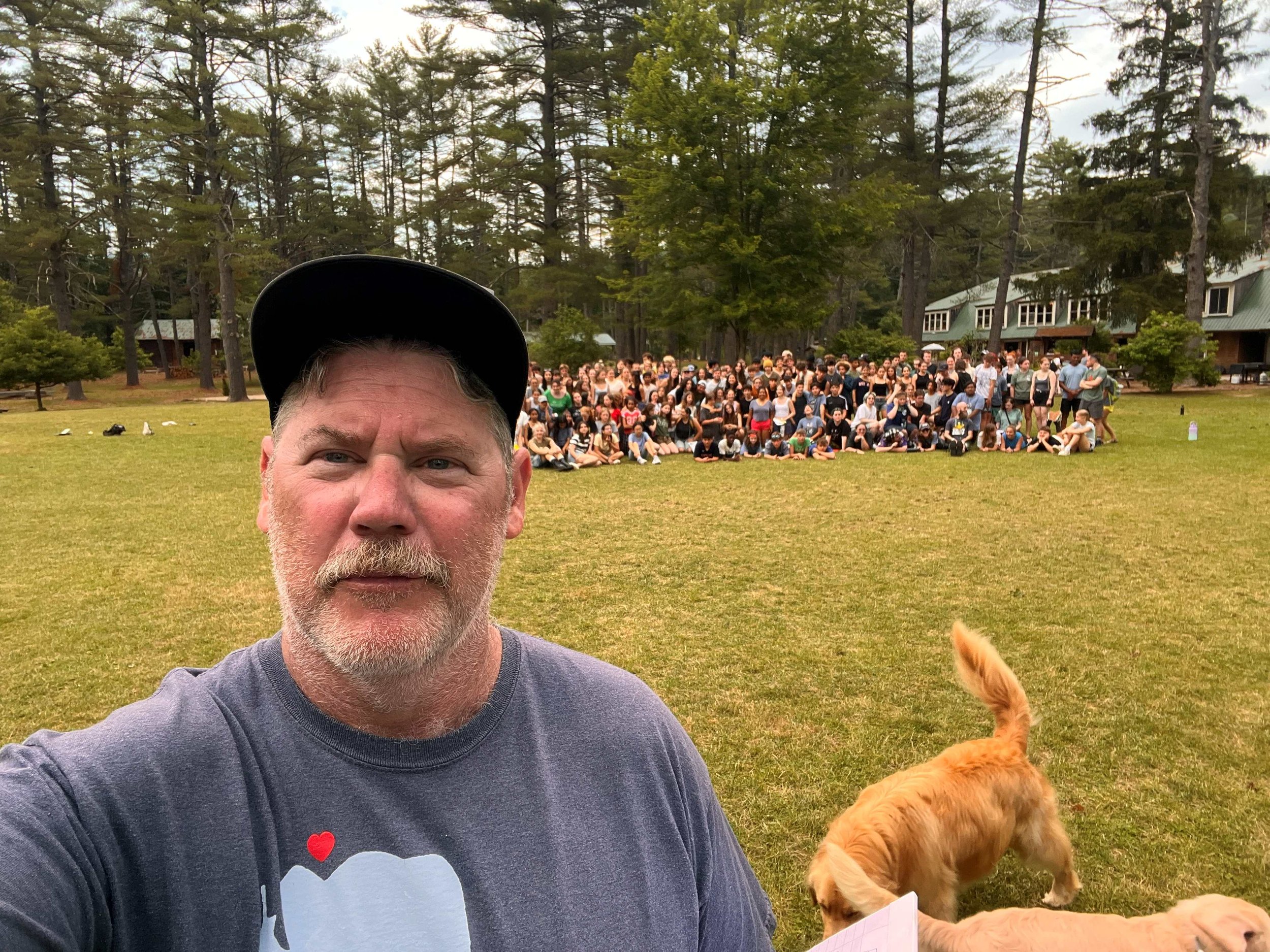
Matt Pines and his family are residents of Falmouth, his son attends Falmouth High School. Matt holds a Ph.D. in Public Policy & Education Leadership, as well as an M.Ed. Matt has been working in youth development for almost three decades, running a device-free, residential summer camp for teenagers in Western Maine for the last 20+ years. Observing the ways in which the mental health and capacity of teenagers from all around the world was rapidly changing, Matt started researching the causes of these changes in 2018. His research has led him to two conclusions—yes, technology is having a toxic impact on teenage mental health and society more broadly, but the greatest harm is caused by the displacement of beneficial activities— time in nature, unstructured play, in-person socialization, sleep, and activity. Matt has been involved in the Turn the Tide coalition since the early days, and would love to encourage more dads to step up to the plate. When he’s not working, reading, or writing, Matt loves to cook, serve as a chauffeur for his teenager, chase his two golden retrievers, and hang out by the firepit. (But don’t look for him in the summer, as he’ll be hiding from the real world in the woods.
Crystal Schreck
Crystal Schreck is a Falmouth resident and mom of six, ranging in age from 27 to 7—giving her a front-row seat to nearly every phase of childhood. With a background in psychology, Crystal focuses on adolescent development and the impact of technology on mental health, informed as much by lived experience as by research. Her interest in the ‘slow-tech for kids’ movement grew out of raising children in a world where screens are less a tool and more a default setting. Professionally, she has worked across business operations, strategic planning, and community leadership, bringing a practical lens to how systems and small daily habits can shape outcomes. She has been actively involved in schools through PTO leadership and advocacy efforts in Maine and California. While she understands the benefits of technology, she is particularly interested in the things we’ve quietly traded for it, and how to get some of them back. When she’s not working on policy or logistics, you’ll find her organizing for fun, keeping up with her new puppy, experimenting in the kitchen with baked goods, or buried in a good book she may or may not finish.
Stacy Taylor
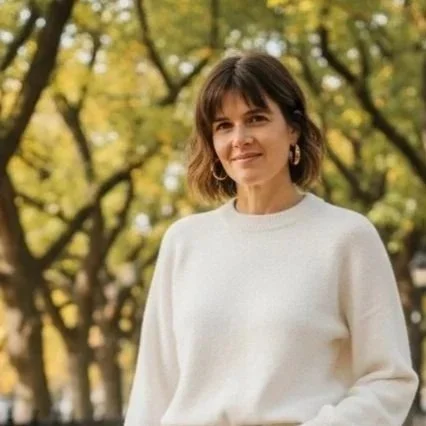
Stacy Taylor is a Yarmouth resident and mom to a 10-year-old who survived Zoom kindergarten (and now has a very strong “relationship” with screens), and a 25-year old who recently ditched her smartphone entirely. Stacy is passionate about building strong communities and creating space for kids to learn, connect, and thrive “IRL”—off screens and outdoors. For the past 14 years, Stacy has served as COO of a national technology company, giving her a unique perspective on both the benefits and challenges of our digital world. She also brings more than five years of PTO leadership experience in local schools, and is a co-founder of Landline Kids, a national movement to give kids the tools they need to stay connected, screen-free. When not working on finance spreadsheets, Stacy enjoys walking the streets and trails in Yarmouth village, and connecting with friends and family IRL.

Annie Ware
Annie Ware is a Durham resident and mother of three daughters navigating the complexities of growing up in a digital age. As a longtime educator with a Master’s in Literacy and over a decade of teaching in Maine public schools, Annie has seen firsthand how screen habits can shift student engagement and social connection. Her interest in the tech-and-kids movement was sparked by The Anxious Generation, inspiring her to implement intentional, play-based boundaries at home. Now a freelance writer and editor, Annie often connects with clients digitally; combined with a husband who owns a software company, she appreciates the benefits of technology. However, she is passionate about reclaiming the "lost" habits of physical activity, imaginative play, and social connections that often vanish behind screens. When not hunting down a missing water bottle or stray sneaker, Annie coaches high schoolers with college application essays and gets lost in the woods with her two flat-coated retrievers.